
Why one slip doesn't send you back to day one
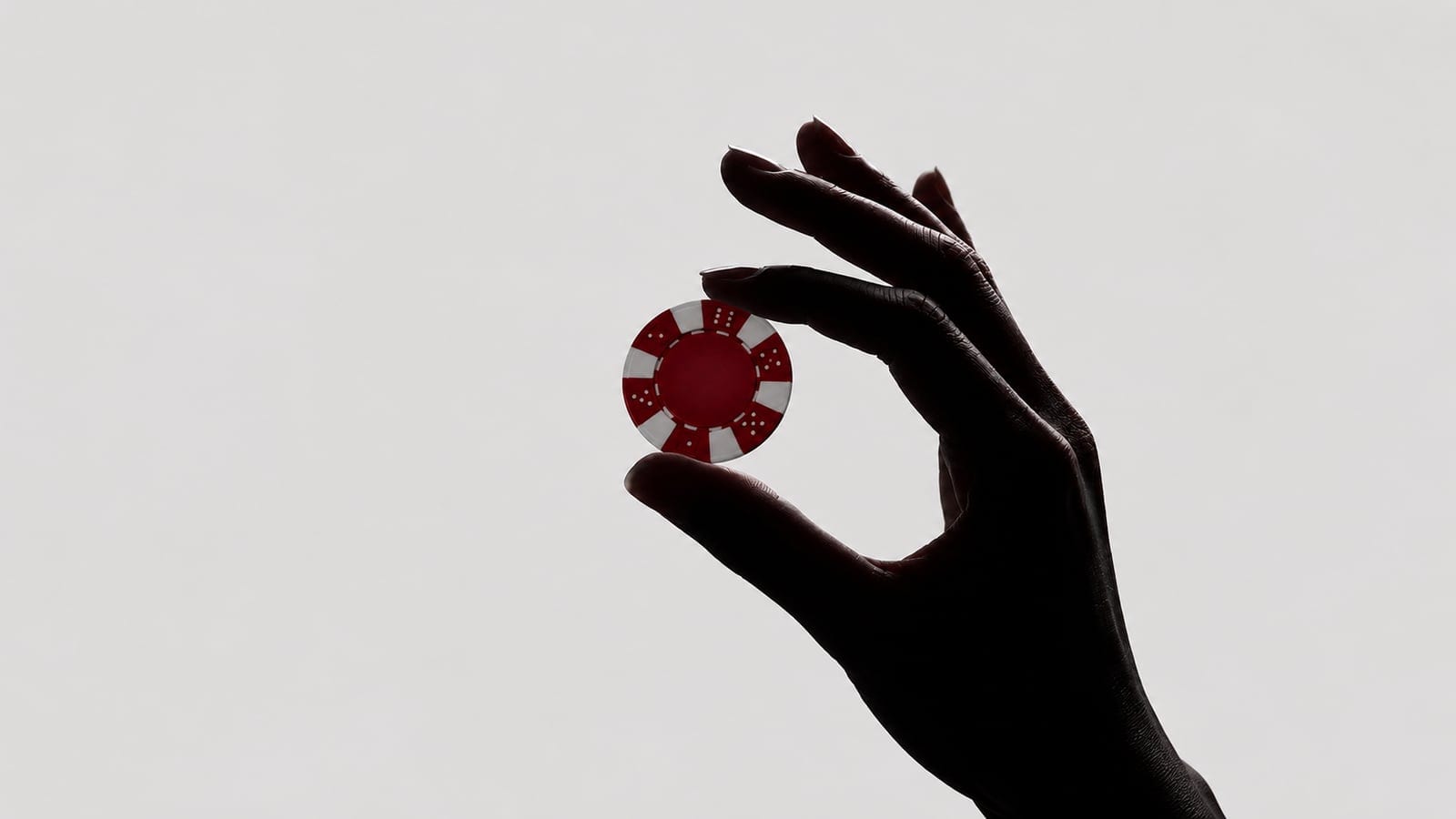
Maybe it happened an hour ago. Maybe you're reading this on a good day, getting ready for a hard one. Either way, what decides where a slip goes isn't the slip itself. It's the next 24 hours, and they follow rules you can learn.
This is the playbook for those 24 hours: what's happening in your head, what the research says separates people who recover from people who spiral, and exactly what to do first. It's long on purpose. You don't need all of it at once, and it will still be here next time.
The one fact to hold onto: a slip deletes nothing
A slip deletes nothing you built before it.
Every clean day still happened. Your body got those days of better sleep. Your account got those weeks of not bleeding. Every urge you beat was a real rep, and the strength it built is still in you. If a streak counter resets, that's bookkeeping being honest, not progress disappearing. The person who built those days is still the one holding the phone.
That's not a pep talk, it's the setup for everything below. Because the thing that can actually undo weeks of progress isn't the bet that was just placed. It's a story. And the story has a name.
The next hour is more dangerous than the bet
In the 1980s, psychologist Alan Marlatt studied why some people who broke a streak got back up the next day while others went on a weeks-long spiral. The difference wasn't willpower, money, or how big the slip was. It was the interpretation.
He called the destructive version the abstinence violation effect. It sounds academic, but you've heard it in your own voice:
- "I broke my streak, so I'm broken. This is just who I am."
- "The day's already ruined. Might as well make it count and start fresh Monday."
- "I'm already down $200. It only makes sense to win it back first, then stop."
Every one of those sentences treats one event as a verdict about the person. And Marlatt's research showed that people who read a slip that way, as proof of a broken character instead of a bad hour with causes, were far more likely to turn one lapse into a full relapse.
The slip costs a day. The story costs the run.
A lapse is an event. A relapse is a decision
Recovery research draws a hard line between those two words:
- A lapse is an event. It has a timestamp. It's over.
- A relapse is a decision, made after the event, to keep going.
If you're reading this an hour after a bet, you're standing exactly in the gap between them, and only the second one is still open. Nothing about the bet that already happened forces the next one. It feels like it does, and that feeling is the abstinence violation effect doing its job.
So the move in the gap is almost embarrassingly simple: say the true sentence instead of the story. Not "I'm broken," but "I gambled today, after 24 clean days, because a specific chain of things happened. Chains can be broken." One sentence is a verdict. The other is an incident report, and incident reports get fixed.
What to do in the next 60 minutes
If the slip is fresh, this hour is yours:
- End the session now. Not after the next bet, now. Stopping mid-session counts double, because the house's whole model depends on "while I'm here." Every session has a worst possible ending, and it's never the current moment.
- Put distance between you and the money. Close the app. Log out, don't just minimize. If the card is saved, unsave it. Physical distance works too: leave the room the laptop is in.
- Say it to someone. A friend, a hotline (1-800-GAMBLER runs 24/7), anyone who won't hand you a lecture. A slip said out loud loses about half its weight, because secrecy is the spiral's home field. And if you'd rather talk to an AI about it, with zero judgment and nobody else knowing, Ungamble comes with Rux, a friend trained on the science of quitting, ready the moment you open it.
- Do not try to win it back. The urge to "get even, then stop" feels like a plan. It isn't. Every bet still carries the edge, and it would be played with judgment at its absolute worst. That's not a comeback, it's a second slip wearing a cape.
- Eat something, drink water, sleep. Not a joke. Cravings and catastrophic thinking both run hotter on an empty stomach and no rest. A slip that ends in sleep instead of another session is a win.
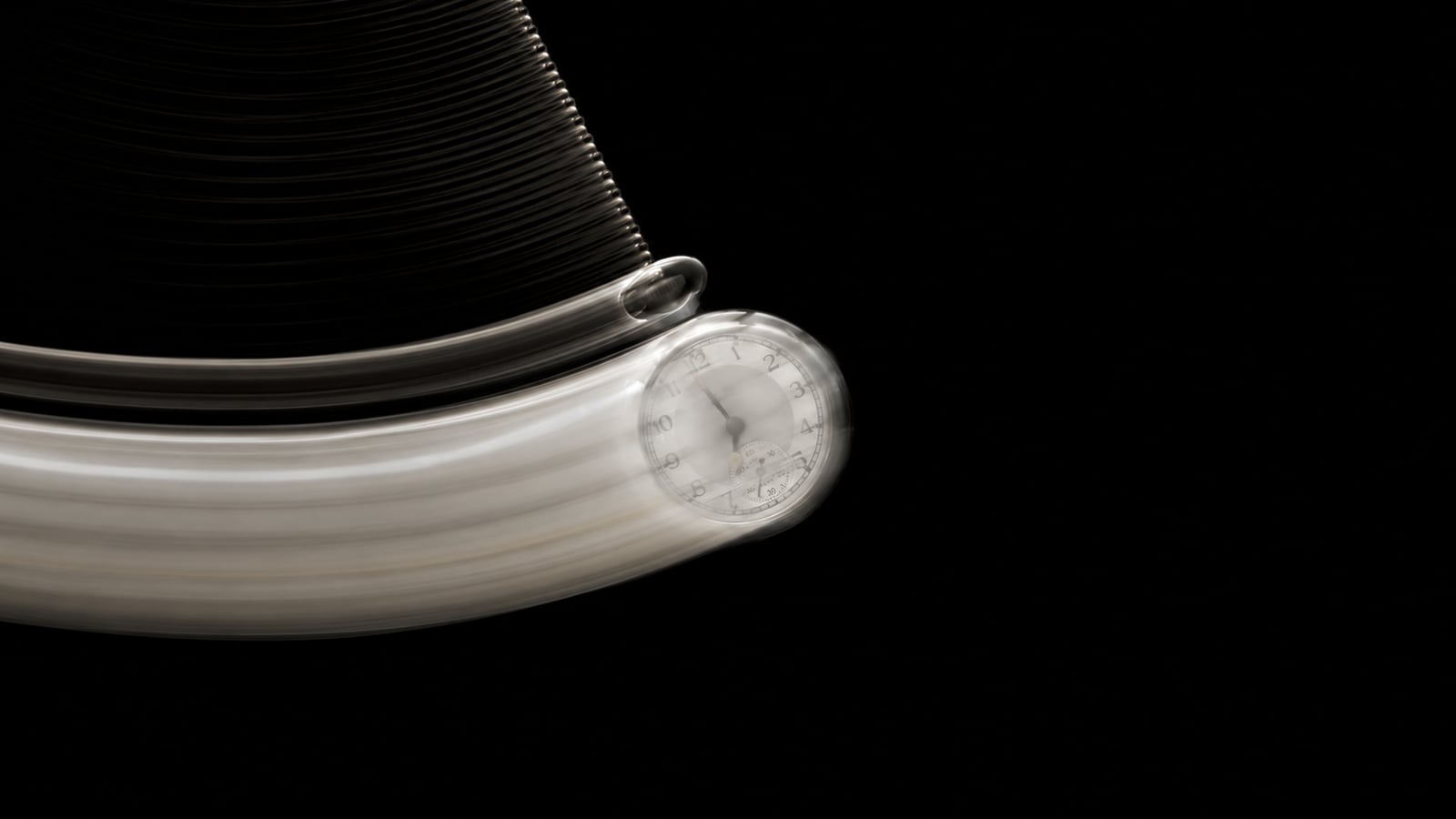
Change sticks better when it starts on a landmark. The morning after is one.
The morning after is a weapon
Behavioral scientists Dai, Milkman, and Riis documented something they called the fresh start effect: people are measurably more likely to succeed at behavior change when it starts on a temporal landmark. A Monday, a first of the month, a morning after. The calendar quietly files "that was the old chapter" and effort gets easier to mobilize.
The day after a slip is exactly such a landmark, if you use it:
- Check in honestly. If an app tracks your streak, let it reset. The number was never the point; the honesty that makes the number real is. A fake 25-day streak protects nothing.
- Keep what stays earned. Milestones already reached don't un-happen. Day 1 after a slip is not the same as the first Day 1, because this time it starts with evidence you can do 24 of them.
- Spend the clarity on one concrete act. The morning after has the clear head the slip didn't. Use it on the audit below, not on self-punishment.
- Set the day's only goal: get to the end of it clean. Not the week, not the month. Today.
Make the slip pay for itself: the 5-question audit
Tuition only counts if you collect the lesson. When the dust settles, run the audit. Five questions, two minutes, ideally written down:
- When was it? The hour matters. 11pm slips and Saturday-afternoon slips have different fixes.
- Where were you, and doing what, one hour before? The setup is usually visible in hindsight.
- What was the feeling right before the urge won? Bored, angry, lonely, celebrating. Name it.
- Where did the money come from? Which card, which account, how fast it moved.
- Which door was open? The app still installed, the account not excluded, the card saved in the browser.
Then close one door. Not five, one, today or tomorrow: shield the app, set a bank gambling block, self-exclude from the site that got the money, move payday deposits somewhere slower to reach. A slip that closes a door is not a waste. It's reconnaissance, paid for and banked.
Why the people who make it aren't the ones who never slip
A study of over 1,200 smokers published in BMJ Open tried to pin down how many quit attempts it really takes before quitting sticks. The famous folk number was 5 to 7. The study's estimate for the average person: around 30 attempts.
Thirty. Not because people are weak, but because quitting a wired-in habit is a skill, and skills take failed reps. Each attempt carries information forward: which situations are lethal, which strategies hold, which hour of which day the defenses drop.
Gambling research points the same direction. When researchers Hodgins and el-Guebaly mapped what came right before gambling relapses, the precipitants weren't random: unstructured free time, negative moods, and suddenly available money kept showing up. Slips have patterns, and patterns can be planned against.
Read those two studies together and the message is blunt: the people who make it aren't the ones who never slip. They're the ones who treat each slip as tuition and make the next attempt smarter than the last.
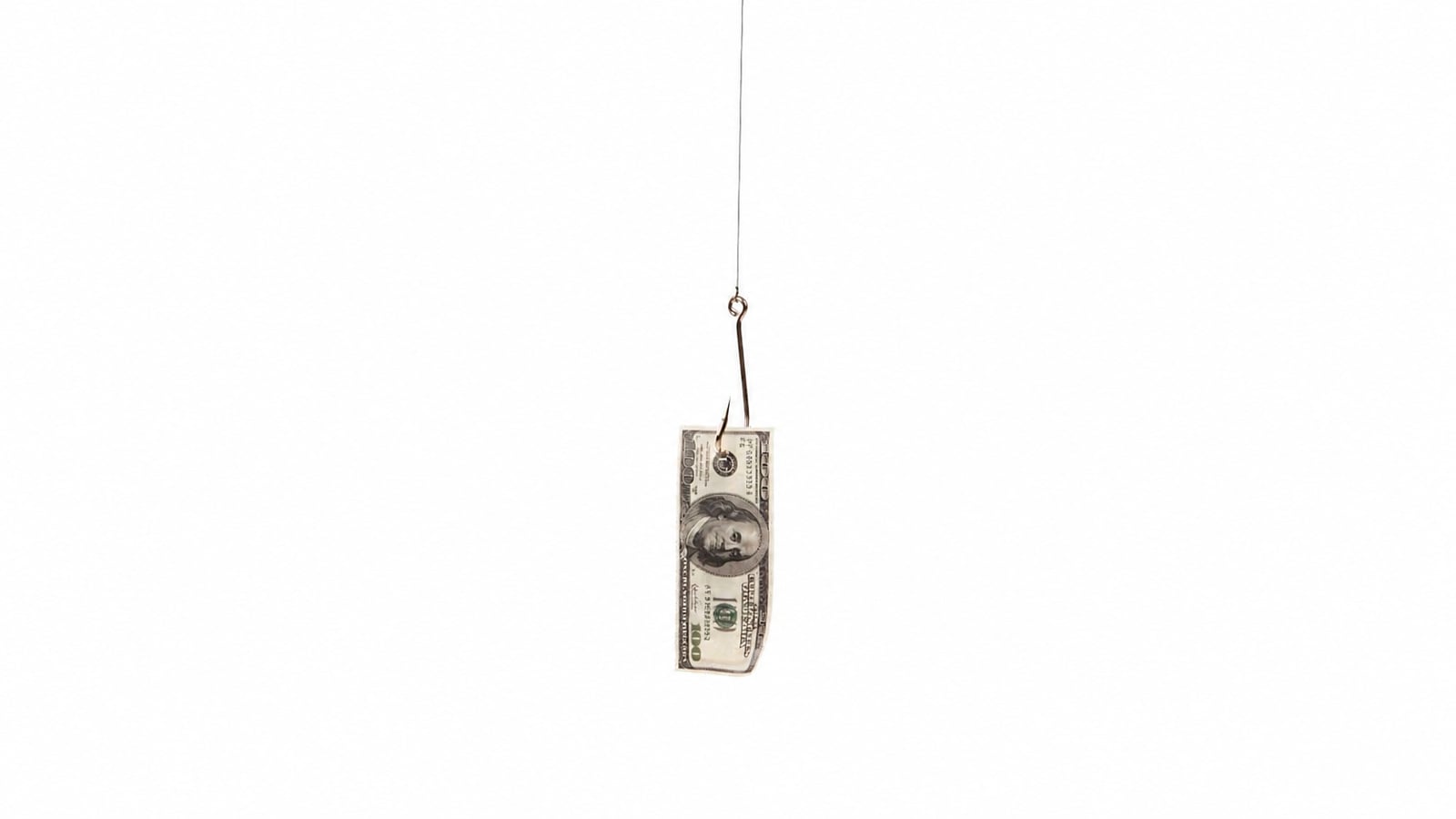
The same open door is the same bait. Close it and the hook comes up empty.
If the same slip keeps happening
One slip is an event. The same slip three times is a pattern, and patterns are information, not indictments.
If the audits keep pointing at the same door, the fix needs to get structural: harder blocking (device-level, not just an app), a bank that supports gambling transaction blocks, state self-exclusion programs that make the account itself unreachable, and telling one person who checks in on the danger day. And if the pattern feels bigger than tools, talking to a professional or calling 1-800-GAMBLER isn't an escalation to be ashamed of. It's what the strongest version of this move looks like: more backup, sooner.
Sources: Marlatt & Gordon, Relapse Prevention (Guilford Press); Chaiton et al., "Estimating the number of quit attempts it takes to quit smoking successfully," BMJ Open 2016; Hodgins & el-Guebaly, reports of precipitants to gambling relapse, Journal of Consulting and Clinical Psychology; Dai, Milkman & Riis, "The Fresh Start Effect," Management Science 2014.
Frequently asked questions
Does a slip mean starting over from zero?
No. The streak number restarts because honesty is what makes it worth anything, but the clean days, the beaten urges, and everything learned stay yours. Research on quit attempts shows each real attempt tends to make the next one stronger, not weaker.
Should I tell people I slipped?
Telling one trusted person is one of the most protective moves available. Secrecy is the fuel of the spiral story, and shame does its worst work in the dark. Nobody owes the whole world an announcement. One person is enough.
How do I stop one bet from becoming a lost weekend?
Catch the story, not just the bet. The sentence “might as well keep going now” is the abstinence violation effect, and naming it out loud breaks most of its grip. Then run the 60-minute list: end the session, distance the money, tell someone, sleep.
What if I've slipped several times this month?
Then you have several audits' worth of data, and almost certainly one door that keeps showing up open. Close it structurally (blocking, bank block, self-exclusion) and add one human to the system. Repeated slips mean the armor needs upgrading, not that the fight is lost.

The house stops winning today
Ungamble is the best iPhone app for beating gambling addiction: an AI mentor, a panic button for urges, and a shield between you and the betting apps.