The “so close” that keeps you hooked
Two cherries lock in. The third rolls past, slows, and stops one notch above the payline. Your parlay dies on the last leg after five straight hits. So close. Next one's yours, right?
That feeling has a name in the research: the near-miss effect. It's one of the most studied mechanisms in gambling science, it lights up your brain in a way no other loss does, and, this is the part the industry would rather you not read, it can be manufactured. This article covers the brain scan that proved what a near-miss does to you, the patent that made near-misses programmable, and the moment regulators caught the industry doing it on purpose.
Your brain scores an almost-win as a win
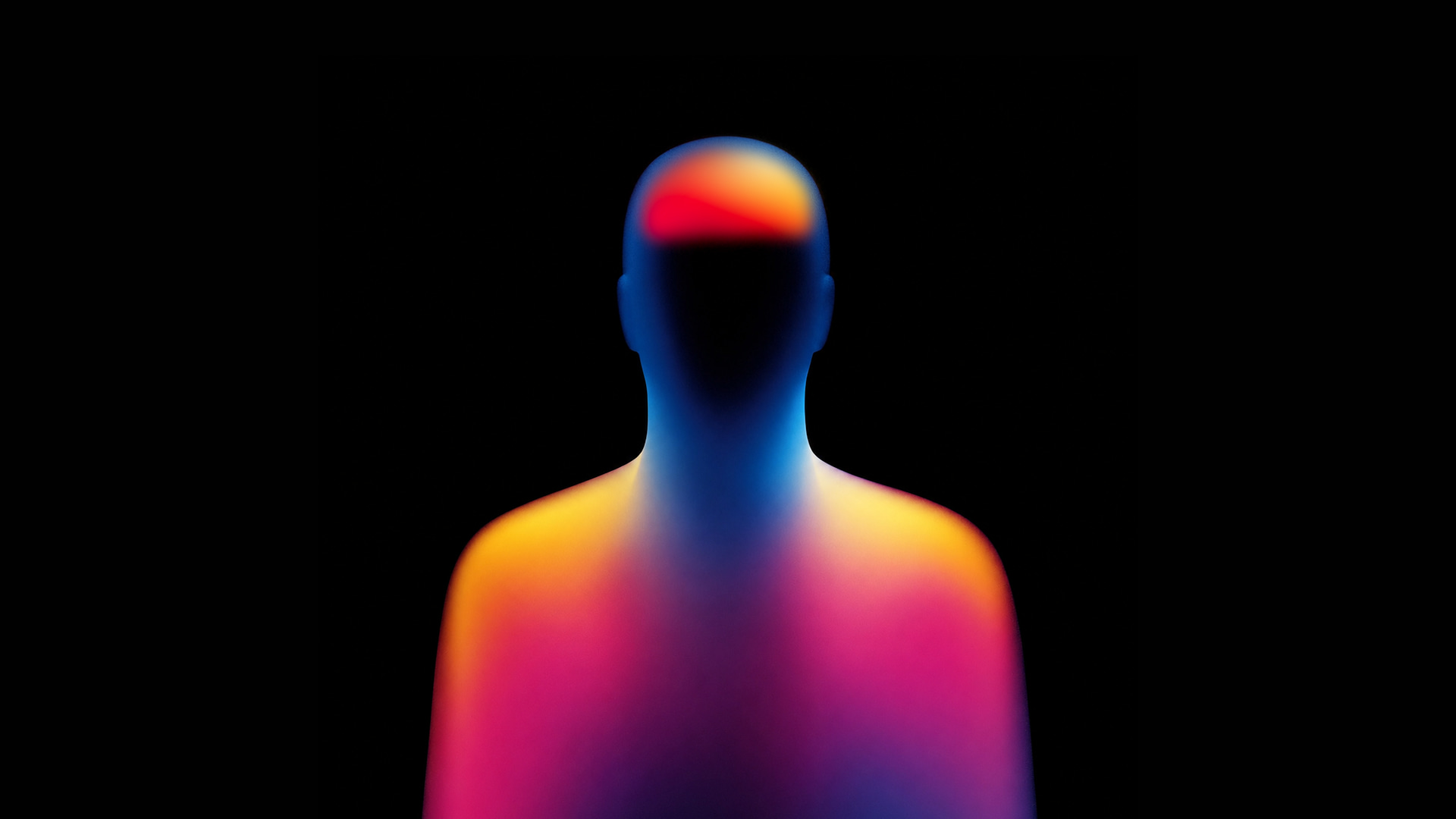
In 2009, a team at the University of Cambridge led by Luke Clark put people in an fMRI scanner and had them play a simplified slot machine. The study, published in the journal Neuron, compared what happens in the brain on three outcomes: wins, clear misses, and near-misses, where the reel stops one position from the jackpot.
The result rewired how scientists think about gambling. Near-misses activated the same win-related circuitry as actual wins: the ventral striatum and anterior insula, core parts of the brain's reward system. A loss, processed by the machinery of winning.
And here's the twist that makes it a trap rather than a quirk: people rated near-misses as less pleasant than ordinary losses, yet the near-misses increased their desire to keep playing. Read that again. It feels worse, and it makes you continue. That's not motivation. That's a hook.
The deeper you're in, the harder it hits
Follow-up research made it darker. A study in the Journal of Neuroscience found that the more severe someone's gambling problem, the stronger their midbrain dopamine response to near-misses. Later work found amplified striatal responses to near-misses specifically in pathological gamblers.
In plain words: the further into gambling trouble you are, the more convincingly your own brain lies to you about almost winning. The people with the most to lose get the strongest push to keep going. If you've ever wondered why "so close" hits you harder than it seems to hit casual bettors, that's not weakness. That's a measured, documented neural difference.
"Almost" is a product feature
Here's the question the scan raises: if near-misses keep people playing, would a machine ever be built to produce more of them than chance allows?
It was, and there's a patent number. In 1984, engineer Inge Telnaes was granted US Patent 4,448,419, later acquired by slot giant IGT, for the "virtual reel": the physical reels you watch became a display, while a random number generator behind them decides the outcome. One industry figure later said it revolutionized slots as much as the machine's original inventor did.
The virtual reel did something else, too. Because symbols on the virtual reel can be weighted, designers can make the blank spaces directly above and below the jackpot symbol appear far more often than chance. Researcher Kevin Harrigan, who studies slot machine structure, documented exactly this: reels engineered so the jackpot symbol lands next to the payline at rates plain physics would never produce. The heartbreaking one-notch-off stop isn't bad luck. It's the product working.
They got caught, and kept the loophole
You don't have to take a researcher's word that this was deliberate. In 1988, a case before the Nevada gaming authorities exposed a slot manufacturer whose machines used a computer algorithm to show losing reels as near-misses on the payline. The commission ruled that method unacceptable, which tells you two things: it was real, and it was worth building.
But the ruling only banned fake near-misses on the payline. Weighted virtual reels that pile up near-misses above and below the payline were left standing, and they remain standard practice. The industry didn't stop manufacturing "so close." It moved it one row up, with regulatory approval.
That's the fact worth keeping: the almost-jackpot you saw was very possibly a designed event, produced by engineering that survived a cheating investigation on a technicality.
Sports betting has near-misses too
No casino needs to engineer the sports version, because the products produce it by construction. A five-leg parlay that hits four legs is a pure near-miss machine: you were "one leg away," your brain files it next to winning, and the next slip gets built while the sting is still warm. Losing by half a point against the spread, the ninth-inning collapse, the cash-out you didn't take: every one of them fires the same "almost" circuitry Cambridge photographed.
The near-miss effect doesn't care whether the reel was weighted or the underdog covered late. It just needs "so close," and betting products deliver it constantly.
How to make "so close" stop working on you
The near-miss effect is strongest on people who can't see it. Once you can name it, you can interrogate it, and it starts losing grip:
- Rename the event. A near-miss is a loss. Not almost-a-win, not a sign, not momentum. The money is exactly as gone as if the reel had stopped three notches away. Say "that was a loss" out loud and notice how different it feels from "that was close."
- Remember the reel is cosmetic. On a modern machine the outcome was decided by the random number generator before the reels finished their little show. The "almost" was animation. You cannot be close to a result that was never in play.
- Watch for the urge spike. The research says the strongest pull to keep playing comes right after a near-miss, while feeling worse than a normal loss. That combination, worse mood plus stronger urge, is the signature of the effect running on you. It's exactly the moment to stop, not to go again.
- Get backup for that moment. The urge a near-miss triggers behaves like any other urge: it peaks and fades if you don't feed it. If you want help with that window, Ungamble was built for it: a panic button for the exact minute "so close" is screaming, and Rux, an AI friend trained on the science of quitting, who knows this trick and every other one the house uses.
Sources: Clark, Lawrence, Astley-Jones & Gray, "Gambling Near-Misses Enhance Motivation to Gamble and Recruit Win-Related Brain Circuitry," Neuron 2009; Chase & Clark, "Gambling Severity Predicts Midbrain Response to Near-Miss Outcomes," Journal of Neuroscience 2010; Sescousse et al., "Amplified Striatal Responses to Near-Miss Outcomes in Pathological Gamblers," Neuropsychopharmacology 2016; Harrigan, "Slot Machine Structural Characteristics: Creating Near Misses Using High Award Symbol Ratios," International Journal of Mental Health and Addiction 2008; US Patent 4,448,419 (Telnaes, 1984); Nevada Gaming Commission near-miss ruling, 1988-89.
Frequently asked questions
What is the near-miss effect in gambling?
The near-miss effect is the documented tendency for almost-wins, like a reel stopping one notch from the jackpot, to increase the urge to keep gambling. Brain imaging at the University of Cambridge showed near-misses activate the same reward circuitry as real wins, even though players rate them as less pleasant than ordinary losses.
Do casinos really engineer near-misses on purpose?
The virtual reel technology patented in 1984 lets slot designers weight symbols so jackpot symbols land next to the payline far more often than chance, which slot machine researchers have documented. In 1988, Nevada regulators ruled one manufacturer's payline near-miss algorithm unacceptable, while leaving above-and-below-payline near-miss weighting legal, and it remains standard practice.
Why does almost winning make me want to bet more?
Because your brain processes a near-miss with the same reward circuitry as a win, releasing motivation to continue, while the outcome is still a full loss. Research also shows the effect gets stronger with gambling severity, so the deeper in you are, the harder "so close" pushes you.
Does a near miss mean I was close to winning?
No. On modern slot machines the outcome is decided by a random number generator before the reels stop; the near-miss you see is animation. And in sports betting, a four-of-five parlay pays exactly the same as losing every leg: nothing. "Close" is a feeling, not a result.
The house stops winning today
Ungamble is the best iPhone app for beating gambling addiction: an AI mentor, a panic button for urges, and a shield between you and the betting apps.
Get Ungamble free